“Mum shaming” refers to the practice of criticizing or judging a mother’s parenting choices or behaviors. There are many different types of mum shaming, some of which include:
1. Breastfeeding shaming: Criticising a mother for breastfeeding in public or for not breastfeeding at all.
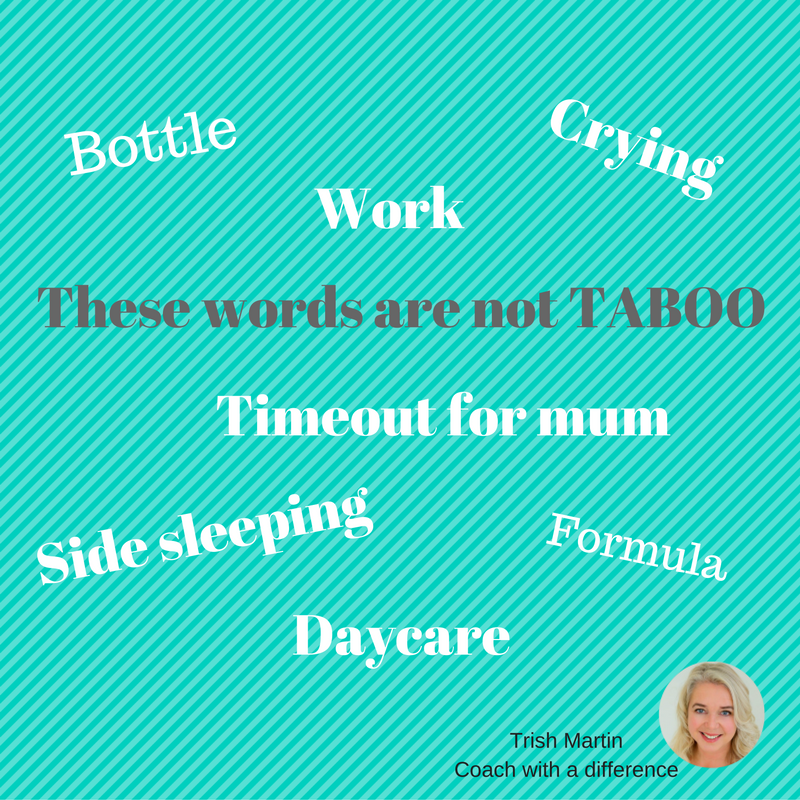
2. Bottle feeding shaming: Criticising a mother for bottle-feeding her baby instead of breastfeeding.
3. Co-sleeping shaming: Criticising a mother for co-sleeping with her baby. 4. Working mother shaming: Criticising a mother for working outside the home instead of staying at home with her children.
5. Stay-at-home mother shaming: Criticising a mother for staying at home with her children instead of working outside the home.
6. Helicopter parenting shaming: Criticising a mother for being too overprotective of her children.
7. Free-range parenting shaming: Criticising a mother for being too lax in her parenting style.
These are just a few.
Remember!
Every mother has her own unique set of circumstances, challenges, and decisions to make when it comes to raising her children. It’s important to recognise that there is no one-size-fits-all approach to parenting, and what works for one family may not work for another.
Mom shaming can take many forms, from criticizing a mother’s choice to breastfeed or formula-feed her baby, to judging her for working outside the home or staying at home with her children. This kind of criticism can be hurtful and damaging, and it often comes from a place of ignorance or misunderstanding.
Instead of judging or shaming other mothers, we should strive to support and empower them. We can do this by listening to their experiences, offering helpful advice when asked, and refraining from making negative comments or assumptions about their parenting choices. By working together, we can create a more supportive and inclusive community for all mothers. You have a choice
]]>Your baby is nearly here and as new mum, it’s important to take care of yourself during the postpartum period. Here are some tips to help you create a postpartum plan:
Rest and Recovery:
After giving birth, your body needs time to heal. Make sure to get plenty of rest, eat well, and stay hydrated. Ask for help from family and friends to take care of household chores or other responsibilities. Cooking meals, baking, household chores and cleaning will all help.
Emotional Support:
The postpartum period can be emotionally challenging. Surround yourself with a supportive network of friends and family. Reach out to a postpartum doula or mental health professional if you need extra support. Feeling overwhelmed, anxious and second guessing yourself are all common. Make sure you ask for help.
Breastfeeding Support:
If you plan to breastfeed, seek out support from a lactation consultant or breastfeeding support group to help you with any challenges. Breastfeeding is natural but it’s not easy. You need support and guidance to help enjoy and have a successful breastfeeding journey. If you choose to bottle feed, that’s ok too. You need to do what is best for you. The New Mum eBook will help you.
Exercise:
Once you’re cleared by your healthcare provider, start incorporating gentle exercise into your routine to help your body recover. Engaging with an exercise professional or physiotherapist is a good idea.
Baby Care:
Plan for baby care by stocking up on essentials such as diapers, wipes, newborn clothing, burp cloths, feeding equipment and sleep attire such as swaddles. Consider hiring a postpartum doula, a newborn care provider to help with baby care so you can get some rest. The Newborn Guide will help you with all newborn care in those early weeks.
Remember, every postpartum experience is unique.
Be flexible and adjust your plan as needed.
Congratulations again and take care of yourself!
]]>
“What is right is not always popular and what is popular is not always right”
Albert Einstein?
This is my new quote of the year?
On a daily basis I read comments on social media offering advice.
Advice to those who are reaching out.
Reaching out because they are exhausted.
Reaching out because they’re lonely.
Reaching out because they want or need a change.
Reaching out because they are sad.
Reaching out because they are frustrated.
Reaching out because they are overwhelmed.
Reaching out because they are confused.
Reaching out because they can’t cope anymore.
Reaching out because they feel unloved.
Reaching out because she doesn’t trust herself.
And the one most popular piece of advice I hear, I read and is applauded time and time again.
IS
IT’S NORMAL !!!!!!!!!!
To those who say it’s normal for a mum to feel
Exhausted ?
Lonely ?
Sad ☹️
Overwhelmed ?
Frustrated ?
Confused ?
Not loved?
Not trusting ?
Let me remind you to ask yourself these questions.
Is she me ?
Am I listening to her ?
Am I supporting her ?
Am I allowing her to trust ?
What is popular right now in this parenting world might be right for you.
But it’s not right for someone else.
What is popular right now may not even be helpful or even right!
Maternal Mental Health is a much talked about topic.
But nothing absolutely nothing is going to change until we actually start listening.
Listening with our hearts ?
Listening with our emotions.
Listening with open minds.
Stop failing our mums especially new mums because it’s the right thing to do or it’s popular.
A person is a person as a whole.
A baby is a person as a whole.
These are two individuals united together.
Treat them as individuals and their relationship will flourish- together
If any of you have been on a flight and heard the safety video, it will always say “place the oxygen mask on yourself first before your children”.
Now this is often overlooked as to the reason why it is especially important.
Your babies or your children will not survive if you can’t help them.
This is a message that is the most important message you need to take onboard when you become a mother.
You need to look after yourself.
You need to put yourself first in times of need.
You deserve to feel good.
You deserve time for you.
There is no excuse.
You baby needs for you to be 100% YOU.
Not anxious
Not sleep deprived
Not lacking in confidence
Not feeling overwhelmed
Not feeling scared
They need you to be you❤️
Your newborn has arrived which means whole new adventure awaits you.
Your personal priorities and responsibilities are changing. You no longer need to only take care of yourself but also a tiny little human being who is reliant on you for everything.
It’s all new this motherhood thing. Your baby has had all their needs met inside the womb for 9 months. But once they make their exciting entrance into this outside world, it can become a very confusing time for you.
Advice freely flows from many directions. Friends and family will share stories to what has worked best for them and often are adamant their way is the best way. You may start to feel overwhelmed by the endless list of considerations, methods, techniques, and philosophies around parenting. You are reading books, googling the internet searching as much information possible so that you feel well informed.
But can too much information actually be a bad thing?
Yes absolutely.
Too much information will start to confuse you and mix this with new mummy hormones, a bucket full of expectations, comparing yourself to others, not feeling good enough and not to mention sleep deprivation. It can lead to anxiety and possibly mental health issues such as postnatal distress and depression
You start not to trust yourself.
But this is exactly the time when your intuition or your gut feeling are the most important.
No matter how much you know, no matter how much you read and no matter how much information you take on board. Nothing is more powerful than what you already know within yourself and know to be true.
So how do I listen to my gut instinct?
Let’s have a look at what intuition really is first.
Your intuition isn’t just a thought
It’s a thought and a physical feeling combined. You can’t trust your intuition unless you have both of these in unison. A thought that accompanies a gut feeling. This gut feeling may feel like a fear or excitement.
Both feelings are there to rescue you.
The feeling of fear with jitters, nausea, heart palpitations and other possible physical signs are there to stop you from walking into danger. The feeling of excitement, positivity feeling peace in your heart and stomach, warmth and that fuzzy feeling will help you move in the right direction.
Environment also plays a big role on how effective you are able to tune into your intuition.
Negative environment and obstacles that will stop you trusting your intuition are:
-Frustration
-Feeling overwhelmed
-Stress
-Sleep deprivation
-Pressure of others especially other mums
-Health and wellbeing
-And lack of time
How do we create an environment to give ourselves the space to trust?
-First be aware of your surroundings
-Observe your energy levels.
-Pay attention to whether being around someone makes you feel tired and drained or energetic and lively.
-Capture your thoughts that pop up in your mind and visualise them.
-Pay attention to what is going on around you.
Then to be able to make decisions you need to:
-Be ready to let bad feelings go
-Find time to be silent and still.
-Create space to focus- nature
-Commit to making a decision
-Reconnect with your better self.
-Clear away negativity.
-Do a reality check.
-Make a choice and see how you feel.
-Prepare responses to naysayers to help set boundaries.
Plus it’s important to install daily habits to make trusting your intuition easier.
-Meditate – at least 5 min or more daily
-Exercise to increase endorphins
-Eating healthy
-Time for you
Remember you are making decisions for you
Once you have these skills trusting you intuition becomes so much easier and life will become more enjoyable and empowering.
]]>
It’s been on my mind for years.
Do I or don’t I
What will people say?
How will it be received?
Many thoughts are rushing through my head many times of the day.
Many clients I talk to are struggling
They feel judged
They ask themselves
Why is it we are not listened too?
Why do I feel I need to hide the decision I have made from those who are supposed to have our backs?
I ask myself
Why are mums and their babies crammed into one ideology.
So the big question is ?
? ❓
❓
Is it time for a change?
A change to how we support our mums and their babies?
A change in our thinking towards positioning babies not for possibilities of risk but for better sleep and comfort.
Is it time to look at each mum and baby as individuals. Why are we not doing this already?
It is over 30 years old.
Times have changed fewer people are smoking, more medical advancements, technology improvements.
Plus not to mention that it’s never really been proven as to WHY!
Is it time to revisit the SIDS research seeing it’s now over 30 years old?
This might send shivers down your spine but for me I needed to get this of my chest.
I know I’ll be judged by some ?
?
But I know  ?
?
I’m a voice for many new mums who are right now struggling with sleep deprivation because of fear and judgement of the word – position ❗️
❗️
Your thoughts?

Like many other gadgets such as white noise, monitors and sleep props, it comes down to how and when we use them that will ultimately give you the benefits they provide.
Some babies need many tools to help them to settle or rest while others are fine with the bare minimum.
Mobiles are to some extent a sleep prop however it can also provide and reassurance and confidence. ?
All three of my children had mobiles above their cots.
As I settled them into their cot they loved watching the little figurines move around accompanied by a soft jingle like a nursery rhyme or lullaby.
When at home for naps and the first evening sleep the association of seeing their mobile allowed them the recognise that it was sleep time.
I would turn it on and they would follow attentively for a few minutes as the motion and the music would start to slow down.
If they were unsettled I would turn it back on BUT that would be the last time.
I made a point not to go back several times when they made a sound or cried. Using other methods to help them settle were implemented when needed.
Two to three times was the maximum.
This is the challenge with anything that can provide a prop for sleeping.
If I was to go back in, time and time again, then they would expect me to continue this scenario. ?♀️
It would not be beneficial for them nor myself or anyone else that would settle them.
Mobiles also provide security. ?♀️
When your baby sees the mobile above their bed in daylight hours as they settle they also see it as they wake.
This helps them with recognition and familiarization around sleep and their surroundings.
I would recommend if you decide to use a mobile it’s not best used for the sleep in the night-time.
Night time is for minimal sleep props as this will create more confidence with zero noise and darkness to help them sleep well in the future. ?
]]>
Parenting isn’t a one way street. Go with what works for you and your baby.
A question I often hear with an accompanying sound of – Arg!!!
Is, Why don’t babies come with manuals?
Having manuals maybe easier for you to give you directions but having babies it simply just doesn’t work that way. Most of the time we are just rigging it and see what works. Learning through trial and error, guiding yourself with your intuition and making the best decisions that work for you is ultimately the better outcome.
As most of us know, becoming new parents to a newborn baby is wonderfully exciting, but also very daunting.
A lot of new parents may feel unprepared, anxious and overwhelmed.
Having worked with hundreds of babies and their parents over the past 20 years as a baby consultant. I have seen first hand how parents are affected by too little, too much or information that has no relevance. Pressures of ways to feed your baby, sleep your baby, what gadgets to use and other parenting guidelines and recommendations is best for your baby are all out there ready for you to pounce on.
Many books, magazine articles and now with the internet widely available to search any topic you may feel is going to give you the answer your looking for.The feeling of overwhelm is all too real.
There is more and more conflicting theories, research based articles and an endless supply of free advice from family, friends and even strangers. But with this advice comes confusion, despair and ultimately the feeling of not being good enough and guilt because you have lost your ability to make an informed decision that will work best for you and your family.
As I work with clients my main aim is for them to reconnect back with the confidence they had before their newborn came along. That person, who managed their own business, worked in the corporate world, made decisions on behalf of all their staff. Deep down that person is still there.
But because becoming new parents is a new beginning of another stage of your life and the manuals are simply not there. We struggle to give ourselves the benefit of the doubt that we are actually able to nurture and care for our babies the way we see works best for us.
So let have a look at which topics are readily talked about that we find gain the most traction.
To be fed is best
Many times you will hear the words “Breast is Best” and there is no denying that breast milk is an amazing source of nutrients needed for health and wellbeing.
Breastfeeding isn’t easy and it certainly doesn’t come naturally in most cases. It’s a learned skill for both mum and baby to master over time. For this skill to be a success it also has to come with lots of knowledge and support. This is often what is lacking in our hospital systems and our communities because there aren’t enough people around to help. What concerns me the most around the Breast is best statement is that when mums are either have mad a decision that breastfeeding isn’t right for them or they have made an decision to stop due to many stressful factors in continuing.
Stress and successful breastfeeding is very counter intuitive. Mums should not be made to continue through the pain and anguish because breastfeeding is the only way. For me a baby that is Fed is the best way. Whether that is via breast milk or formula. While on the subject of bottle-feeding another question, which is often asked for those who are exclusively breastfeeding is when they can introduce the bottle. My recommendation is to start as early as you can. It’s best not being in a situation when you have been invited to a function or an event at short notice and you need someone else to look after your babe. Be prepared I say and have all your ducks in a row so its easier to make that decision.

Too swaddle or not too swaddle.
Recommendation to swaddle has been around for years.
It is suggested it helps your baby from waking due to the startle reflex. While I agree on the most part there are some babies that just plainly don’t like it. If you are swaddling with muslin and you have a Houdini then I suggest changing to a natural fabric that has more ability to stretch. Muslins are not the best for swaddling as they allow no movement and unravel very quickly if you have a baby that moves around a lot. If a more stretchable material is still not giving you success then I would give up the swaddling altogether. Some babies just want to feel free and sleep with their hands in the air. As your baby develops better motor skills and more control of there extremities swaddling is usually out around 8 weeks of age.
Sleep or no sleep
Sleep is certainly one of the biggest conversation starters for many. Its also a hot topic many experts are quick to recommend with what is best for your baby.
Sleep is definitely an essential nutrient we all need.
“All” as in both baby and parents. Too often I hear that sleep deprivation is normal part of becoming new parents.
I disagree.
Sleep deprivation causes brain fog, mood changes, diet changes with either weight loss or weight gain and complete exhaustion among a few, which ultimatley leads to postnatal distress or depression.
Suggestions such as sleep when baby sleeps, co-sleeping in the same bed is not the best advice of all parents. As a mum myself I was never able to sleep when my babies slept because I always found chores to be done or sleeping in daylight wasn’t something I had mastered even while working shifts as a nurse. Its interesting because while sleep deprivation is frightening real and very dangerous. When you search for this topic around parenting. Suggestions that it is normal and how to cope rather than preventing it, is the advice.
Guidelines for safe sleeping
Safety guidelines are just that, guidelines. But with regular media attention, research articles, policies written by big organisations its no wonder that parents especially new ones are very confused and frustrated with conflicting advice. My concern with these sleep guidelines, is that we are placing babies in only one box. Babies can only sleep on their back, babies should only be swaddled, babies should either be in their parents room or co- sleep in the same bed, breast is best, the list goes on.
Babies are individuals, they react to different stimuli, may have other challenges like reflux, poor weight gain or a medical diagnoses.
Back sleeping is safer however not all babies sleep well on their back. When you have eliminated all other risk factors such as smoking, alcohol consumption, bed-sharing unsafely. You can rest assured that you are making an empowered and confident decision to help you and your baby get better sleep in another way.
Bed sharing or room sharing with your baby until at least 6 – 12 months of age is another guideline that is forcefully recommended. But there are other aspects that we need to take into consideration.
Babies are very noisy sleepers. During their sleep cycles they frequently wake, grunt a lot, suck on their hands or fingers and even let out a cry or two. When you’re a heavy sleeper or don’t mind the disruption during the night then there is no need for a change. Parents who are light sleepers, wake frequently and are often lying awake at night because their babies are keeping them awake may need to rethink their sleeping arrangements. Having babies sleep in their own room will allow you to only wake when they need to be fed or are awake for other reasons. Many mums are concerned they will not hear their babies cries. I believe it’s a mothers natural instinct to hear the needs of their baby. Babies who sleep in their room tend to sleep for longer periods than those who share with their parents.
Creating the balance
Oh what’s that you say. Well I have learned over many years and helping many clients find balance while parenting at the same time. Yep its possible but can be hard to achieve especially when a lot of advice is very baby orientated and the guilt factor is very real.
Parenting is the hardest job in the world.
Yet, looking after ourselves takes a back seat especially for mums. We feel guilty even thinking about ourselves let alone taking time out. But I have learned that its one on the most important decisions that you will have the ability to make.
The decision to go out for a coffee with friends, a regular exercise class, joining the gym or even seeking part time or going back to work full time shouldn’t have the guilt factor attached to it.
Think of what you used to love doing, what sport did you play, did you like going to the movies, having a girls night out. Write down the things that are important to you and find a way to achieve them.
To fully reconnect with your baby you have got to have the ability to disconnect and look after yourself. It is important not just for you but also for your partner and your baby.
]]>

You become a mum in an instant. It’s exciting and a little scary at the same time. The first few days and weeks are about getting to know your baby. Lots of bonding, learning to feed, bathe and settle your baby among all other new beginnings.
But we can also start to feel alone and become so entrenched in this new journey that we start to not look after ourselves.
Here are some questions you might want to think about.
Are you giving yourself the love and respect you deserve?
Are you trusting your judgement?
Are you spending time doing what you love?
If you’re struggling with this, like many mums are, it’s time to take some action.
You may be feeling overwhelmed and emotional. You might not trust what your doing is right. You are feeling judged by other people’s standards and taking on advice that doesn’t fit your parenting style.
It’s hard to put ourselves first but it’s a necessity. It’s part of a mum’s survival mode.
Parenting doesn’t come with a university degree. Sometimes it feels like you’ve been thrown in the deep end without prior knowledge or experience.
So how can we expect to know everything, give up who we are and be the wonder woman we might expect to be.
We can’t and we shouldn’t.
The first few months can be particularly hard. It’s often not until our little ones are a little older that we start to think about ourselves. Thinking of going back to work, getting back to the gym or even starting a little business on the side. Even just simple things like going out for a coffee with friends can be daunting.
Remember the person before she became a mum?
Deep down, she is still there. It’s just with all the chaos and our sleep-deprived state of mind we have forgotten.
For me, I have been passionately interested in this topic for a very long time. To realize there was more to me than being an at-home mum has taken me years. It’s only been over the last 5-6 years that I have had the confidence to venture out into new territory and rediscover my calling.
I have always been in the business of helping new mums with babies right through to ages 5 while nursing in the areas of Obstetrics, Pediatrics and as a Royal New Zealand Plunket Nurse, before starting my own family.
Now 20+ years on, with more determination than ever, I see the importance of giving mums the knowledge and support to thrive. To listen to their intuition. To permit themselves to be number one.
The road to finding this truth even for myself hasn’t been an easy one.
I had to overcome many hurdles to reach a point in my life when I knew I needed the balance and needed something for me so I could give back to my family with more confidence and energy but also myself.
Today many mums need to head back to work much earlier than before. Our lives are much busier, more stressful, and the financial strain is all too real for the majority of families, which means going back to work is not just an option but also a necessity.
Often there is no family around to lean on, a lot of couples these days have moved countries and so are worlds apart from their support systems. Friends with babies are back at work or you are the very first to start a family.
To top that off with expectations to conform to a parenting style, or to feel pressured into feeding your baby a certain way. Where to sleep your baby, and the many do’s and don’ts of parenting while feeling sleep deprived will pretty much send any mum into a frenzy of emotions. Technology has even taken over common sense.
It’s no wonder we see more cases of postpartum distress than ever before. Mums are feeling more guilt, judging themselves too harshly about their parenting styles, and not looking within themselves for their knowledge and strength to make their own decisions.
There is no one way to parent but guidelines and recommendations suggest there is.
This is why so many are mums are feeling overwhelmed, second-guessing themselves and not trusting their mummy instincts.
So here is my advice to you.
You need to look after you first.
- You are just as important as your baby.
- Believe in your strengths.
- Believe in your decisions.
- Stand your ground.
- Feel empowered with the choices you have made.
- Stop feeling guilty and step up and make yourself count.
- Whatever life decisions you make, they’re yours and your family’s and for no one else to judge.
Nurturing, trusting and believing in yourself will ultimately make parenting much simpler and more enjoyable.
So here are some simple steps for you to follow.
- Ask for help
- Take time out (even if it’s just for a coffee)
- Trust and allow your partner to take care of your baby (so you can confidently go out)
- Delegate household chores
- Keep in touch with friends without children (it’s important to have a balance of baby and adult talk)
- Keep up with fitness or start fitness classes
- Dress up rather than dress down
- Take the advice that you will benefit from
- Love yourself
- Most of all believe
]]>
Congratulations! You’re expecting. You’re either jumping up and down with joy or you’re truly freaking out.
Whether it’s planned or accidental, your first or adding siblings to the tribe, the news of adding a little one in the mix comes with decision making and planning.
If it’s your first there are many avenues that either will need to be changed or redirected to make room for this extra little person in your lives.
Some renovate, move house or even move countries.
Decisions about careers, finances, interior design and other changes are to be planned so that you can be prepared for this amazing life changing event.
Most of us probably found out that we were pregnant under the 8-10 week mark, which gives us plenty of time to decide on how and when the changes are made.
One of your first decisions is usually finding your primary caregiver. Whether it’s going to be an obstetrician, a midwife or both is totally up to you.
In New Zealand all options are left up to the individual unless for medical reasons you need to have a doctor included in your care.
As your pregnancy progresses and your bump is getting bigger, you are truly well on your way to becoming a mum.
Antenatal classes are great. They will give you knowledge about what to expect around your labour, pain relief, birth, breastfeeding, hopefully bottle feeding too, and skim over info for the first few days postpartum.
From here on in, some of you will be discussing a plan.
Yep, a Birth Plan. I would rather call it either a Birth Intention or Birth Proposal.
Now a plan can be described as a goal, target or even a schedule.
So when your writing your birth plan, you may be asked what your expectations are, your goals and outcomes and even what your ideal schedule looks like upon delivering your baby.
These may include when to go to hospital or when to call your primary care giver once you’re in labour.
Decisions around what or if any pain relief you may be administered.
Birthing position.
Who is going to be there with you?
Gosh I even came across an article where it states you need to let everyone know about your birth plan, who is going to be there while you’re in labour, is your husband going to handle it, who will visit you after your baby is born?
Will you be taking photos or video?
Special music.
Special food
Even making the decision as to when doctors take over or giving them permission to perform a C Section.
When will first feeding occur?
Will your partner cut the cord and when?
How long will I stay in hospital?
Birth plans definitely have their place and can be very useful to keep you focused and calm.
However a baby will come into this world the best way it knows how, whether that is through natural means or with intervention.
You can’t predict how your baby will come into this world.
This is why birth plans need to be written with a very open mind and is only a proposal or an intention that can be changed and not adhered to.
Once you have made your plan there are expectations attached, no room for error and goals to strive for.
But these plans can go out the window and many do just that.
The disappointment is that much greater and feeling of failure is greater, which can cause anxiety and even depression.
So my advice to all mums is to write down your wishes, requests and possible outcomes and keep an open mind to whatever can happen.
The more open minded you can be the less disappointed you will be if it didn’t quite go to plan!
Remember you’re both in this together so there needs to be room for movement.
Stay confident and feel empowered to enjoy your journey ahead.
Trish Martin
]]>